

General Waste Skip Bin Hire: Your 2026 Project Guide
Brett Taylor en general waste skip bin
A general waste skip bin is a large container designed for efficient removal of non-hazardous household and light construction waste during renovation, landscaping, or cleanup projects. Whether you’re clearing out a bathroom, tidying up the garden, or managing debris from a small construction job, the right waste disposal bin saves you time, money, and multiple council tip runs. Pricing ranges from around $250–$350 for a small 2–3m³ bin up to $450–$700+ for larger 8–10m³ options, depending on your location and waste type. Localskipbinhire connects you with local suppliers based on your postcode, so you get accurate pricing and the right bin for your specific job.
1. What is a general waste skip bin and who needs one?
A general waste skip bin, also called a general rubbish skip or mixed waste bin, accepts non-hazardous materials from homes, gardens, and light construction sites. The term “general waste” is the recognised industry classification used by waste management authorities and local councils across Australia. It covers everything from old furniture and cardboard to timber offcuts and light renovation debris. Homeowners, landscapers, and contractors all rely on this bin type because it handles the widest range of everyday waste in a single hire.
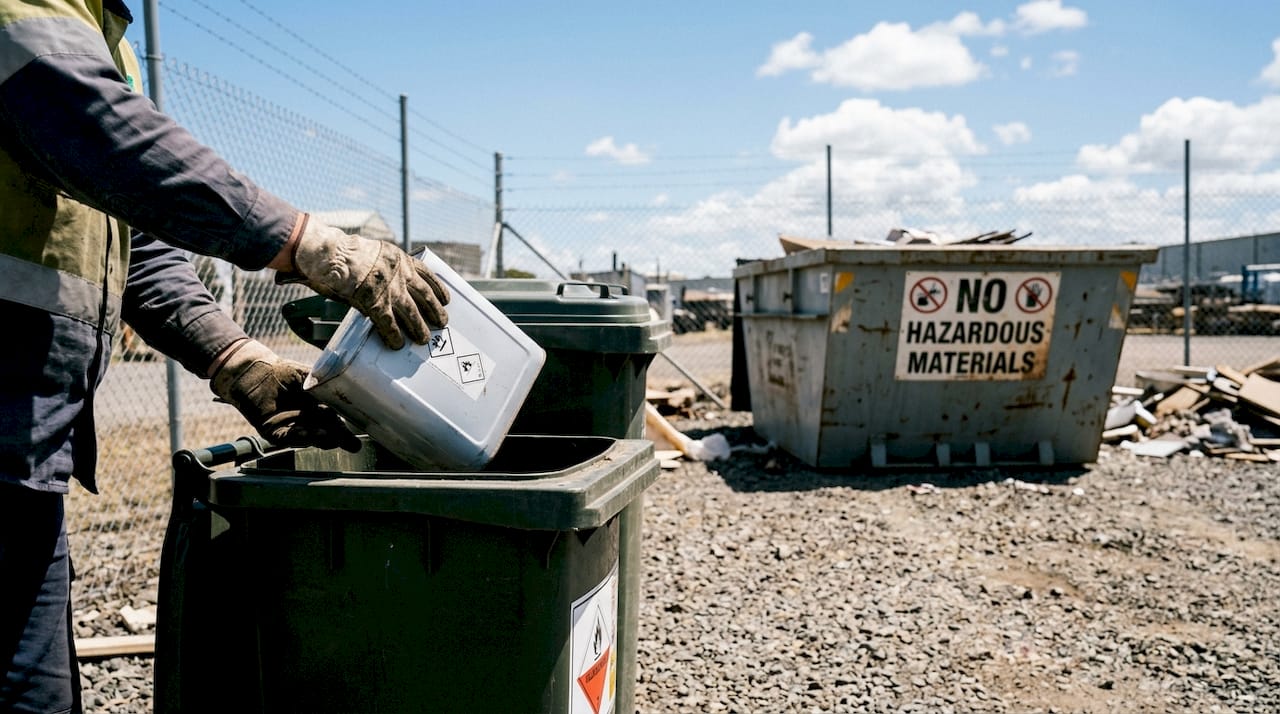
The key distinction is what the bin excludes. Hazardous materials like asbestos, chemicals, and batteries require specialised disposal streams. A general waste bin is not a catch-all for every type of rubbish, but it covers the vast majority of what you generate during a typical home project.
2. The five main general waste skip bin sizes
Choosing the right size is the single most important decision you make when booking a rental skip bin. Too small and you pay for a second bin. Too large and you waste money on unused capacity.
Mini skip bins (2–3m³)
Mini bins hold roughly the equivalent of 6–8 standard wheelie bins. They suit small clean-ups like a single-room declutter, a garage sort-out, or a minor garden tidy. A 3m³ skip bin fits in tight driveways and works well for units and townhouses with limited space. Pricing typically starts around $250–$350.
Mid-size bins (4–6m³)
The 4–6m³ range is the most popular choice for bathroom renovations, kitchen strip-outs, and medium garden clean-ups. A 4m³ general waste bin holds about 10–12 wheelie bins worth of material. The 6m³ option suits larger garden waste loads or a full bedroom renovation with flooring and plasterboard.
Large bins (8–10m³)
Large bins handle major renovations, full property clear-outs, and commercial light waste. An 8m³ skip bin is the go-to for contractors clearing multiple rooms at once. The 10m³ size suits full house renovations or large landscaping projects. Pricing for this range sits at $450–$700+ depending on location.
Extra-large bins (12m³ and above)
Extra-large bins are built for large construction or demolition debris. They require more driveway space and often need a council permit if placed on a public road. These are less common for residential use but standard on commercial sites.
Specialised general waste bins
Some suppliers offer bins specifically designated for green waste or mixed household rubbish. Green waste bins accept garden clippings, branches, and lawn trimmings but exclude treated timber and food waste. Confirm the accepted waste list with your supplier before booking.
Pro Tip: When in doubt between two sizes, go up. The cost difference between a 4m³ and a 6m³ bin is usually small, but a second bin hire doubles your delivery and pickup fees.
The size nobody quotes you
Most guides stop at 4m³ and jump to 6m³, but a 5m³ exists in several markets and it is priced oddly. On our August 2026 check a Melbourne 5m³ ran $495 to $515 — under the $543 a 4m³ typically cost — and an Adelaide 5m³ sat at $445 to $470 against a 6m³ starting at $470. Brisbane went the other way: $671 to $708 for a 5m³, above the $637 a 6m³ starts at.
So in two of those three markets the odd size is worth asking for, and in the third it is worth avoiding — and it will not always show up in a published size list. The price index shows which sizes each city runs, Melbourne the full ladder, and a postcode search what is available at your address.
3. What can and cannot go in a general waste skip bin?
Knowing what belongs in your bin protects you from surcharge fees, bin rejection, and project delays. Accepted materials include furniture, timber, cardboard, paper, plastics, light renovation debris, and garden waste without large stumps or soil.
Accepted items:
- Household furniture (sofas, mattresses, shelving)
- Timber offcuts and treated pine (non-asbestos)
- Cardboard, paper, and packaging
- General plastics and glass
- Light renovation debris (plasterboard, tiles, carpet)
- Garden clippings, branches, and small plants
Prohibited items:
- Asbestos and asbestos-containing materials
- Paint, solvents, and chemicals
- Car batteries and household batteries
- Gas bottles and pressurised containers
- Heavy soil, concrete, and bricks (unless specified as a heavy waste bin)
- Liquid waste of any kind
Placing prohibited items in a skip bin risks the entire load being rejected at the landfill facility, causing costly project delays and potential fines from your local council. Waste management authorities across Australia treat hazardous material contamination seriously. One gas bottle in a full bin can mean the whole load gets turned away.
Mixing general waste with heavy materials like soil or concrete often triggers higher landfill levies. Segregating your waste types before filling the bin saves real money. If you are unsure whether a specific item is accepted, call your provider before tossing it in.
4. How to choose the right skip bin size for your project
The right bin size depends on three factors: the scale of your project, the type of waste you are generating, and the space available for bin placement. Getting this right the first time avoids the cost of a second delivery.
| Project type | Recommended bin size | Notes |
|---|---|---|
| Single-room declutter | 2–3m³ | Fits most driveways; suits light loads |
| Bathroom or kitchen renovation | 4–6m³ | Handles tiles, plasterboard, and fixtures |
| Full house clearance | 8–10m³ | Multiple rooms; large furniture included |
| Garden clean-up (medium) | 4–6m³ | Green waste and soil-free garden debris |
| Commercial light construction | 10m³ and above | Contractor-scale waste volumes |
Space availability matters as much as volume. A 10m³ bin needs a clear, stable surface of at least 5–6 metres in length. Bins placed on soft ground can sink or cause driveway damage, so always place them on concrete or compacted gravel where possible.
Permit requirements vary by council. Bins on private driveways generally need no permit. Bins on public roads or footpaths usually require a council permit, which your provider can often arrange for you. Confirm this before delivery day.
Pro Tip: Call your supplier and describe your project in plain terms. A good provider will recommend the right bin size based on experience, not just a size chart. This single conversation can save you from booking the wrong bin.
Consulting your bin provider before booking is more cost-effective than facing surcharge fees after the fact. Providers deal with hundreds of projects and can quickly identify the right fit for your situation.
5. Tips for booking, filling, and managing your skip bin
Getting the logistics right makes the difference between a smooth project and a frustrating one. Follow these steps to get the most from your general waste bin hire.
- Book early. Same-day or next-day delivery is available from many operators, but booking 24–48 hours ahead gives you more flexibility on placement time and bin availability.
- Choose the right surface. Place the bin on concrete or compacted gravel. Avoid soft lawn or garden beds where the bin can sink and cause property damage.
- Layer heavy items at the bottom. Dense materials like tiles and timber go in first. Lighter items like cardboard and soft furnishings fill the gaps above. This maximises capacity and keeps the load stable during transport.
- Stay within the weight limit. Weight limits are strictly enforced for safety and transport compliance. Exceeding the limit leads to surcharge fees or collection refusal. Never fill a general waste bin with heavy rubble unless the bin is rated for it.
- Do not overfill. Waste must sit at or below the bin’s rim. Overfilled bins are a safety hazard during transport and drivers can legally refuse to collect them.
- Call your provider if plans change. If your project grows or you generate more waste than expected, a quick call can arrange a bin swap or an additional collection. Providers prefer a heads-up over a problem on pickup day.
- Sort as you go. Separate green waste, timber, and general rubbish into different piles before loading. This makes it easier to fill the bin correctly and avoids contamination issues.
Pro Tip: Lay a sheet of plywood under the bin’s front edge if you are placing it on a tiled or decorative driveway. It distributes the weight and prevents cracking or scuffing when the bin is set down.
Key Takeaways
A general waste skip bin is the most practical and cost-effective solution for homeowners, landscapers, and contractors managing non-hazardous waste from renovation, garden, and light construction projects.
| Point | Details |
|---|---|
| Match bin size to project scale | Use 2–3m³ for small clean-ups, 4–6m³ for renovations, and 8–10m³ for full house clearances. |
| Know what is prohibited | Asbestos, chemicals, batteries, and gas bottles cannot go in a general waste bin. |
| Segregate waste types | Keeping heavy materials separate from general waste avoids higher landfill levies and surcharges. |
| Place bins on stable surfaces | Concrete or compacted gravel prevents sinking, driveway damage, and pickup complications. |
| Call your provider first | A quick consultation before booking prevents wrong bin selection and unexpected fees. |
What I have learned after years of watching skip bin projects go wrong
The most common mistake I see is people underestimating how quickly a bin fills up. A bathroom renovation sounds small until you factor in the bathtub, the tiles, the vanity, the plasterboard, and the old flooring. That is easily a 4m³ load on its own. Customers who book a 2m³ bin for a bathroom reno almost always end up calling for a second pickup.
The second mistake is ignoring waste segregation. Mixing a bag of old paint cans or a car battery into a general waste bin feels convenient in the moment. But precise waste classification protects you from surcharges and keeps the whole load from being rejected at the landfill. That rejection means your bin sits on your driveway longer, your project stalls, and you pay extra to have it sorted. It is never worth the shortcut.
Bin placement is also more important than most people realise. I have seen bins dropped on soft garden beds that sank overnight, making pickup nearly impossible without a tow. Always confirm your placement surface with your provider before delivery. A good supplier will ask you about it. If they do not, bring it up yourself.
My honest advice: treat the provider consultation as a required step, not an optional one. Describe your project, your waste types, and your driveway setup. A five-minute call at the start saves hours of hassle at the end. The best skip bin hire experience is the one where nothing surprises you.
— Brett
Booking your skip bin with Localskipbinhire
Localskipbinhire takes the guesswork out of general waste collection by connecting you with local suppliers based on your postcode. You get clear, GST-inclusive pricing with delivery, pickup, and disposal all included. No hidden fees, no confusing add-ons.
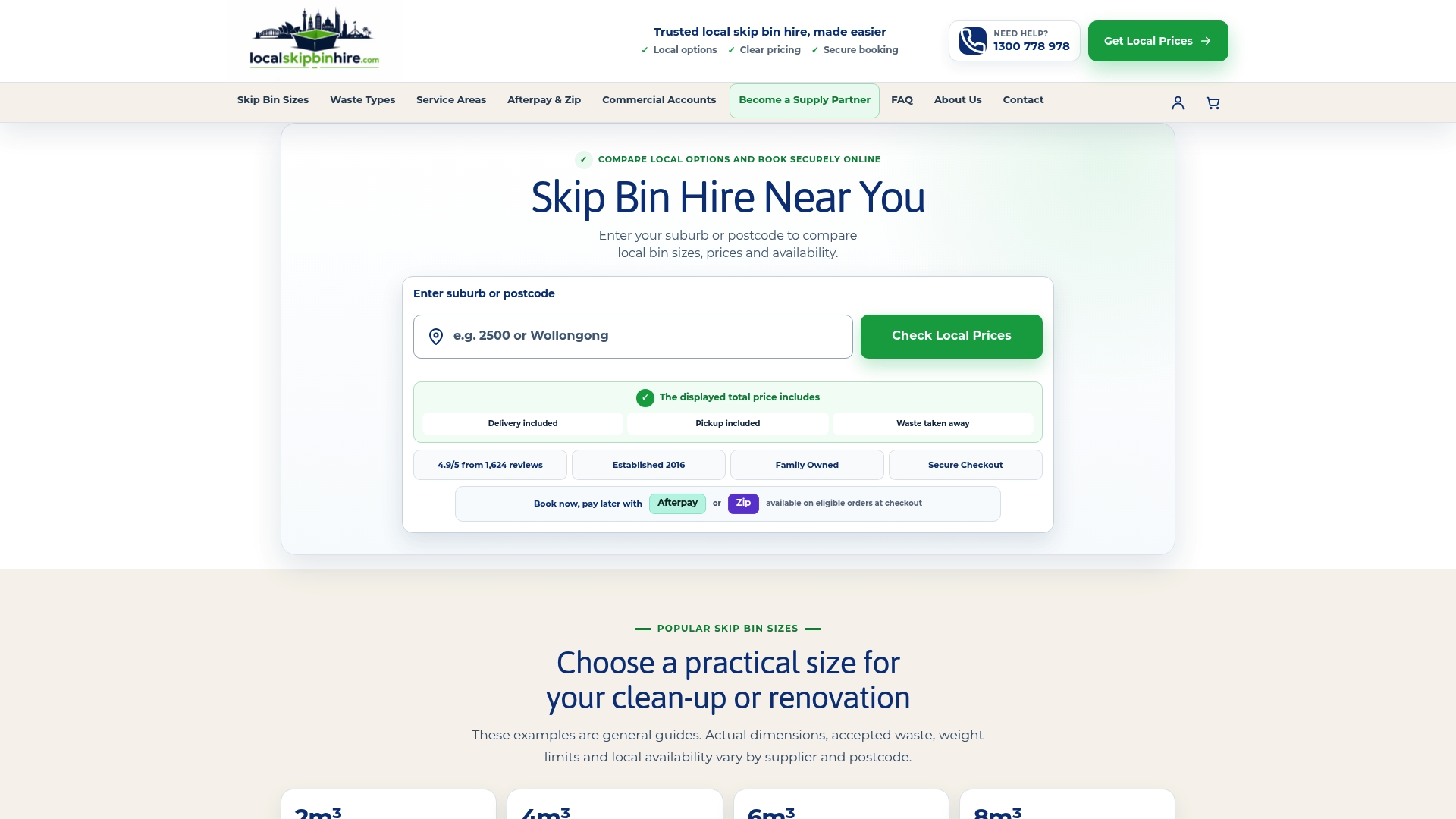
The platform covers bin sizes from compact 2m³ options for minor household clean-ups right through to large 10m³ bins for major renovation projects. You can compare transparent skip bin prices and book online in minutes. If your budget needs flexibility, Localskipbinhire also offers pay later options so you can keep your project moving without upfront strain. With years of hands-on experience since 2016 and a network of trusted local suppliers, Localskipbinhire makes responsible waste disposal straightforward for every project size.
FAQ
What is a general waste skip bin used for?
A general waste skip bin is used to remove non-hazardous household and light construction waste, including furniture, timber, cardboard, plastics, and garden debris from renovation, landscaping, and clean-up projects.
How much does general waste bin hire cost in Australia?
Small 2–3m³ bins typically cost $250–$350, while larger 8–10m³ bins range from $450–$700+, with pricing varying by location and supplier.
What cannot go in a general waste skip bin?
Prohibited items include asbestos, paint, chemicals, gas bottles, car batteries, and liquid waste. Placing these in a general waste bin risks surcharge fees or full load rejection at the landfill.
Do I need a permit for a skip bin in Australia?
Bins placed on private driveways generally do not require a permit. Bins on public roads or footpaths usually require a council permit, which many skip bin providers can arrange on your behalf.
How do I avoid overfilling my skip bin?
Layer heavy items at the bottom, fill gaps with lighter materials, and keep all waste at or below the bin’s rim. Overfilled bins are a transport safety hazard and drivers can refuse to collect them.
Recommended
- A Guide to Hazardous Waste Disposal and How Our Skip Bins Can Assist. – Local Skip Bin Hire
- Skip Bin Hire Sydney: A Comprehensive Guide – Local Skip Bin Hire
- 3m³ Skip Bin Hire – General Waste | Local Skip Bin Hire – Local Skip Bin Hire
- Skip Bin Hire in Western Australia: The Best Way to Dispose of Your Wa – Local Skip Bin Hire
← Older Post Newer Post →