

Avoid a Second Delivery: 4m3 baths, 6m3 kitchens, Australia skip sizes
Brett Taylor en skip bin for renovation
Most bathroom strip-outs typically need a skip around 4m3, kitchens and single rooms usually require about 6m3, and multi-room jobs often need skips of 8m3 or larger. Watch for plasterboard, asbestos, and WEEE, since those need separate handling. Before you book, measure your waste volume, sort out anything hazardous, and get a postcode quote so pricing matches your actual job.
TL;DR:
- Choosing a skip size should be based on both volume and weight, especially for tile-heavy or concrete waste, to avoid overloading and extra fees.
- Renovation waste typically includes timber, tiles, cabinetry, and inert rubble, but plasterboard, asbestos, electronics, liquids, and chemicals require separate handling and disposal.
- Most Australian councils do not need permits for driveway placement, but approvals are necessary for public roads or footpaths, requiring early application and precise placement details.
- The cost of a skip depends on size, weight limits, hire duration, contamination, and delivery distance, with larger bins and longer hires generally costing more.
- Precise booking information, such as waste type, access details, and hazardous materials, along with proper load management, helps ensure compliance and smooth delivery.
Table of Contents
- Which Skip Size Fits Your Renovation Job?
- What Can and Can’t Go in a Renovation Skip?
- Do You Need a Council Permit for Your Skip?
- What Drives the Cost of a Renovation Skip Bin?
- How Does Booking and Delivery Actually Work?
- How Do You Stay Compliant With Renovation Waste Rules?
- Author Perspective: Trade Tips From Local Skip Bin Hire
- Get the Right Skip Matched to Your Postcode
- Sources
Which Skip Size Fits Your Renovation Job?
Choosing the right skip bin for renovation work comes down to two things: how much stuff you’re removing, and how heavy it actually is. Volume gets you in the ballpark, but weight is what determines whether you’re paying extra or booking a second bin halfway through the job.
Here’s how Australian skip sizes typically match up to common renovation jobs:
- Small bathroom or cosmetic refresh (2 to 3m3): New vanity, retiling a small area, minor demolition.
- Full bathroom strip-out (4m3): Old tiles, tub, toilet, vanity, and wall linings. This is the most common size for a bathroom renovation skip size request.
- Kitchen rip-out (6m3): Cabinetry, benchtops, flooring, and appliances add up fast, especially with old chipboard cupboards.
- Single room or garage cleanout (4 to 6m3): Carpet, furniture, and general fit-out waste.
- Multi-room or whole-house renovation (8 to 10m3+): Combined demolition waste across several trades, often delivered in stages.
Volume tells you how much space you need. Weight tells you whether your skip can handle it. A 4m3 skip bin filled with old ceramic tiles and cast iron bathtub can weigh far more than the same skip filled with timber offcuts and carpet. That’s why heavy-rated skips exist. If your job is tile-heavy or involves concrete, rubble, or old sanitaryware, tell your supplier at booking. Trade guidance consistently flags tile and ceramic waste as the leading cause of underestimated skip weight in bathroom and kitchen strip-outs.
If you’re on the fence between two sizes, size up. An extra half a cubic meter costs far less than a second delivery fee, and it’s the difference between finishing your cleanup in one go or waiting days for round two.
What Can and Can’t Go in a Renovation Skip?
A renovation skip handles most demolition and fit-out waste, but a handful of common items need separate treatment. Getting this wrong is the fastest way to turn a straightforward booking into a compliance headache.
Generally fine to skip:
- Timber, including old framing and flooring
- Tiles, ceramics, and sanitaryware
- Cabinetry and benchtops
- Inert rubble, brick, and concrete (check weight limits first)
- General fit-out waste like carpet and underlay
Usually excluded, and why:
- Plasterboard (gypsum): Many contractors require it separated because gypsum breaks down in landfill and can generate hazardous gas. Ask your supplier whether they offer dedicated plasterboard collection.
- Asbestos: Never place asbestos in a general skip. It requires a licensed removal service under Australian regulation, full stop.
- WEEE (old appliances, electronics): These need dedicated e-waste recycling, not landfill.
- Liquids, paint, chemicals, and batteries: These require council drop-off points or licensed hazardous waste handlers.
If your renovation is likely to turn up any of these, our hazardous waste disposal guide walks through how to arrange safe removal without holding up the rest of your job.
Do You Need a Council Permit for Your Skip?
Placing a skip on your driveway usually needs no permit at all. The moment it sits on a public road, nature strip, or footpath, most Australian councils require approval, and fees and lead times vary from one council to the next.
- Check your council’s website first. Search “skip bin permit” plus your council name to find current fees and processing times.
- Apply early. Some councils process permits within a day or two; others take longer, especially near holiday periods.
- Measure your access. Confirm driveway width, turning circle for the delivery truck, and any overhead obstacles like power lines or low branches.
- Protect the surface. Ask your supplier about boards or mats if the skip sits on pavers or a sealed driveway.
- Pass on the details at booking. Give your supplier the exact placement, any access restrictions, and whether a permit is already sorted, so delivery doesn’t get delayed on the day.
Our guide to permits and regulations for skip placement breaks down what different Australian cities typically require.
What Drives the Cost of a Renovation Skip Bin?
Skip bin pricing comes down to five factors: bin size, weight limits, hire duration, disposal fees, and how far the supplier has to travel. The cost of skip bin for renovations varies by region, but a few patterns hold across most of Australia.
- Size: A 2m3 mini skip costs less than an 8m3 bin, but choosing too small often means paying for a second delivery.
- Weight limits: Every skip has an included weight allowance. Go over it, and you’ll pay a per-tonne surcharge, which is exactly what happens when renovators underestimate tile and rubble weight.
- Hire days: Longer hire periods generally cost more, though most suppliers build in a standard window.
- Contamination: Mixing in prohibited items like asbestos or e-waste can trigger extra disposal fees, since the whole load may need special handling.
- Distance: Regional deliveries sometimes carry a small travel component.
Pro Tip: Weigh your intentions, not just your volume. A skip that looks half full of tiles can already be at its weight limit, so ask your supplier for the included tonnage before you assume you’ve got room to spare.
Expect small skips to sit at the lower end of the price range and large 8 to 10m3 bins at the upper end, with real numbers depending on your postcode and supplier. Getting an accurate quote for your exact address avoids guesswork entirely.
How Does Booking and Delivery Actually Work?
Booking a skip bin is straightforward once you know what your supplier needs from you: postcode, waste type, access details, and preferred delivery date. Give that upfront and there’s far less chance of surprises on delivery day.
Standard hire periods typically run several days to a week, with most suppliers offering extensions if your renovation runs long. Confirm this before booking if your timeline is uncertain.
- Load heavy items first, at the base of the skip, to keep weight distributed evenly.
- Break down bulky items like old vanities or cabinetry rather than tossing them in whole.
- Stack tiles and flat materials flat, not loose, to use space efficiently.
- Never load above the fill line. Overfilled skips can’t legally be transported and may be refused at pickup.
Our tips for using skip bins for heavy waste removal covers loading order in more detail if you’re tackling a multi-day demolition.
How Do You Stay Compliant With Renovation Waste Rules?
Duty-of-care obligations in Australia mean homeowners and contractors are expected to ensure waste ends up handled properly, not just out of sight, as detailed in the Trade Waste Disposal in Victoria: Your Compliance Guide - Pressure Works. Waste industry bodies are clear that this includes using licensed carriers when required and keeping basic records of disposal.
Asbestos is the biggest compliance risk in older renovations. If your home was built before the mid 1980s, assume materials like old fibro sheeting or vinyl backing could contain it, and arrange a licensed asbestos removal service rather than placing anything suspect in your skip.
WEEE, batteries, and liquids all need separate recycling channels. Industry guidance from groups like the Waste Contractors & Recyclers Association recommends segregating these from general skip waste rather than mixing them in.
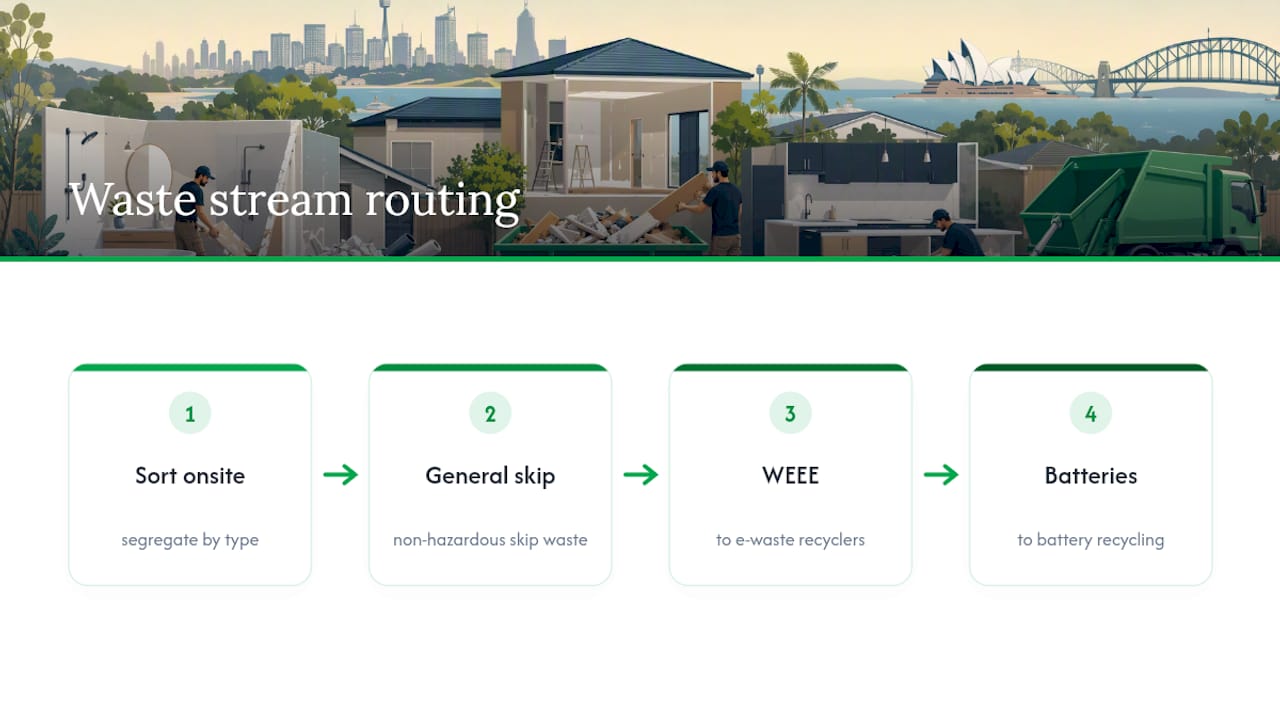
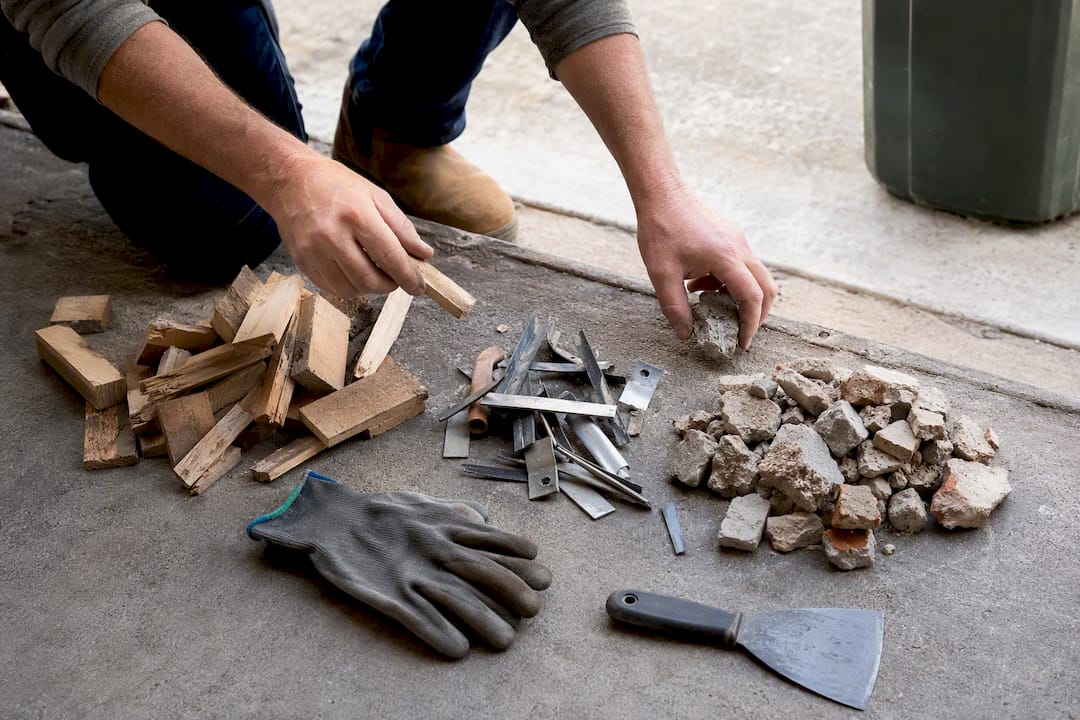
Sorting metals, timber, and inert rubble into separate piles before your skip arrives, or into separate skips if your job is large, often reduces what heads to landfill and can lower your overall disposal fees.
Author Perspective: Trade Tips From Local Skip Bin Hire
The most common renovation mistake isn’t picking the wrong skip size. It’s underestimating tile weight and skipping plasterboard separation, both of which trigger avoidable surcharges. Postcode-matched suppliers with transparent, all-inclusive pricing remove most of that guesswork before it costs you money.
— Brett
Get the Right Skip Matched to Your Postcode
Local skip bin hire marketplaces are an alternative to calling multiple skip companies for quotes that all price differently. Enter your postcode, choose your bin size, flag any plasterboard, asbestos, or heavy waste, and book, with delivery, pickup, and disposal typically included in the price you see.
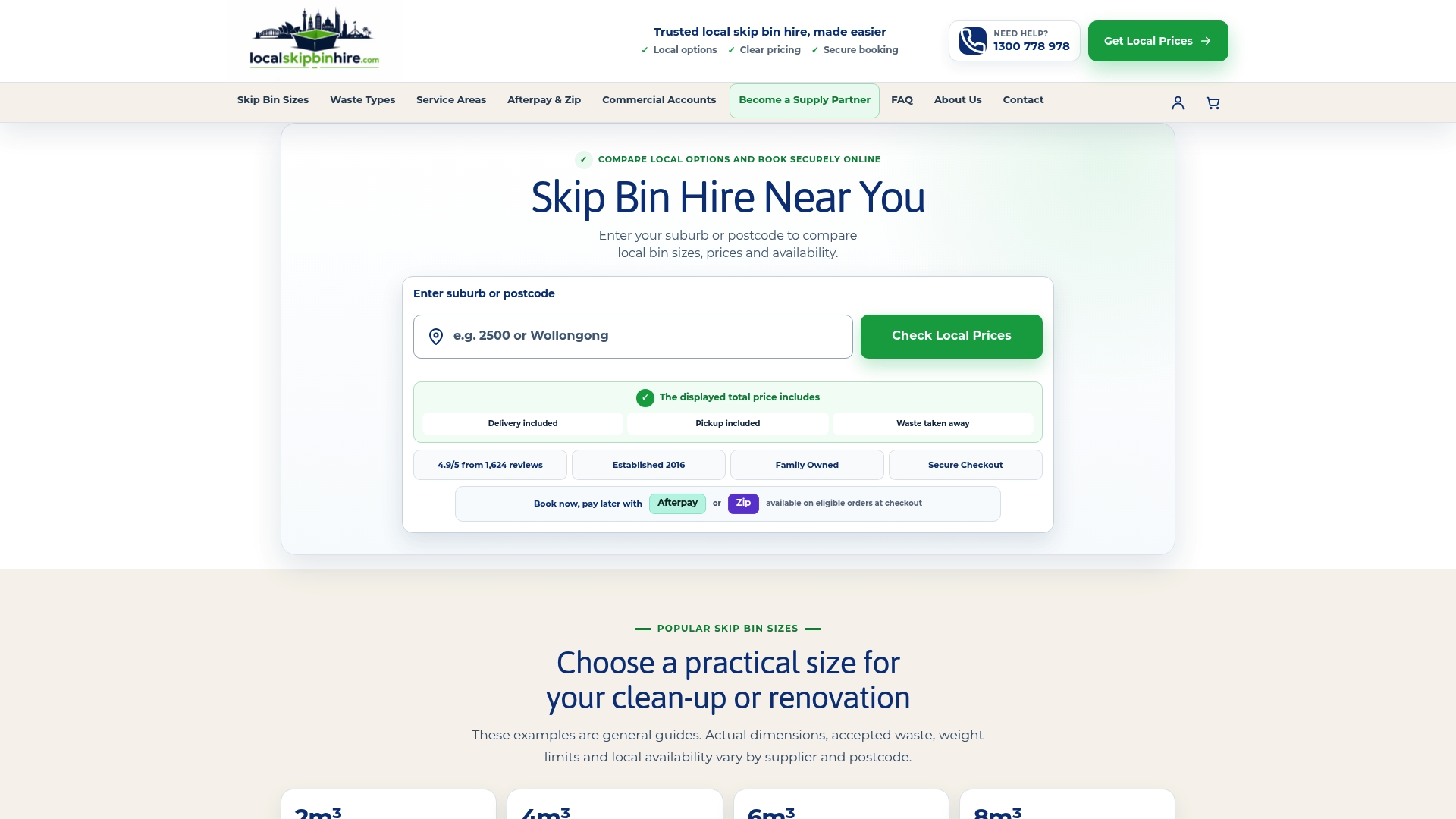
Typically, there is no separate call to negotiate weight limits or chase down a hidden fuel levy after the fact. Suppliers may be matched to your area, so pricing often reflects local market conditions rather than a national average. If your renovation runs long, flexible payment options through pay later or Laybuy mean the cost doesn’t have to land all at once.
Head to compare local skip bin prices and get a quote matched to your postcode before your renovation waste starts piling up.
Sources
- Waste Management and Resource Recovery Association of Australia (WMRR)
- Waste Contractors & Recyclers Association (WCRA)
Recommended
← Older Post Newer Post →