

100L Cap: Where to Take Paint in Australia and When to Book a Skip
Brett Taylor en paint disposal australia
Take household paint to a Paintback drop-off point or your council’s hazardous-waste depot, and stick to the headline rules: up to 100 liters per visit, containers no bigger than 20 liters, and paint left unmixed in its original tin. If only a small amount is left, dry it out and bin it, or reuse and donate what’s still good.
TL;DR:
- Household paint must stay in its original, unmixed container, and no single container can exceed 20 liters, with a maximum of 100 liters per visit.
- Paintback accepts both water-based and solvent-based paints at permanent drop-off points, which are free and funded through a levy paid when purchasing paint.
- Preparing paint tins properly by sealing lids, labeling, and storing upright reduces rejection risk and enhances safety during drop-off.
- Solvent-based paints, thinners, and aerosols require hazardous waste handling and should never be poured down drains or burned, with specific rules for each product type.
- For large renovation jobs or multiple drums, using a skip bin or professional removal service is more practical than multiple drop-offs, with online platforms offering all-inclusive pricing and size options.
Table of Contents
- Where Can You Dispose of Paint in Australia?
- What Paint Can You Take, and How Much?
- How to Prepare Your Paint Tins for Drop-Off
- What Do You Do With Small Leftovers?
- Handling Solvent-Based Paint, Thinners, and Aerosols
- What Not to Do With Leftover Paint
- How Do You Find and Confirm a Collection Site?
- When Does a Booked Skip Bin Make More Sense Than a Drop-Off?
- Got a Renovation-Sized Paint Job? Here’s the Practical Option
- Where to Check the Current Rules
- Sources
Where Can You Dispose of Paint in Australia?
Paintback is the go to answer for paint disposal in Australia, and for good reason. It’s an industry funded national scheme with over 165 permanent drop-off points around the country, and it has collected and treated a very large amount of unwanted paint and packaging since 2016. Drop-off is free for households because the scheme is funded through a small levy built into the wholesale price of paint, so you’ve technically already paid for the disposal when you bought the tin.
Council depots and Household Chemical CleanOut events fill the gaps Paintback doesn’t cover.
- Choose a council depot or CleanOut event for items not accepted by Paintback, or when a local event day fits better than a permanent site.
- Choose Paintback for a facility specifically set up to handle paint safely, staffed by trained personnel.
- Check your state hazardous-waste program if you’re unsure which route applies to a mixed load of chemicals and paint.
What Paint Can You Take, and How Much?
Every Paintback site runs on the same rule set, and it pays to know it before you load the car. You can bring up to 100 liters of eligible paint and packaging per visit, and no single container can exceed 20 liters.
Statistic snapshot: the 100 liter cap is measured by container capacity, not by how much paint is actually left inside. A near-empty 20 liter drum still counts as the full 20 liters against your limit, so five empty drums use up your entire visit allowance.
- Water-based and most solvent-based paints are accepted, along with their original packaging.
- Paint must stay in its original, unmixed container. No combining leftover colors into one tin.
- Containers over 20 liters, or loads mixed with unrelated chemicals, are typically turned away on the spot.
That container-capacity rule exists for a practical reason: it keeps handling weights safe for staff and keeps loads within legal transport limits for smaller vehicles.
How to Prepare Your Paint Tins for Drop-Off
A little prep at home saves a wasted trip. Getting your tins right before you leave means less risk of rejection and a cleaner, safer load in the car.
- Seal every lid tightly, and wipe paint off the rim so it seats properly.
- If a lid feels loose, lay a sheet of plastic wrap under it before pressing it back down.
- Label each tin with the color, room, and date, and never combine leftover paint from different tins.
- Load cans upright in a tray or box in the boot, keep the vehicle ventilated, and separate anything hazardous from where passengers sit.
- For empty tins, drain them fully, remove the lid, and let them air-dry in a ventilated spot before checking your council’s metal recycling rules.
Pro Tip: Wash brushes and rollers over a bucket rather than a sink, let the solids settle overnight, and tip only the clear water onto a garden bed where your council allows it. It keeps paint sludge out of stormwater and saves you a trip for the small stuff.
What Do You Do With Small Leftovers?
Not every half-used tin needs a special trip. If the paint is still good, keep it sealed for touch-ups, or decant a small amount into a smaller airtight container so you’re not storing a mostly empty drum for years.
- Dry out tiny leftover amounts using cardboard, sawdust, or a commercial paint hardener, then bin the solidified paint following your council’s household waste instructions.
- Offer good, usable paint to community groups, local school projects, or op shops rather than tipping it out.
- Never donate paint that’s contaminated, unlabeled, or of unknown age. Community groups and reuse platforms generally want tins they can actually use, not a guessing game.
Handling Solvent-Based Paint, Thinners, and Aerosols
Solvent-based paints, thinners, and turps sit in a different risk category than water-based paint, and they need to be treated that way. Never pour them down a drain or onto soil. They contaminate groundwater and soil far more aggressively than water-based product.
Statistic snapshot: Paintback’s acceptance rules cover most solvent-based paints alongside water-based ones, but aerosols and solvent-soaked rags usually need a dedicated hazardous-waste event or depot rather than a standard drop-off point.
- Aerosol cans and contaminated cloths generally count as hazardous household waste, separate from ordinary paint.
- Check the Paintback accepted-products list or your state EPA guidance before you transport anything you’re unsure about.
- When in doubt, a phone call to your council beats a wasted drive with a rejected load.
What Not to Do With Leftover Paint
A handful of mistakes cause most of the pollution incidents and rejected drop-offs Localskipbinhire hears about from suppliers.
- Never pour liquid paint into sinks, stormwater drains, or onto the ground. It’s one of the most common causes of local waterway contamination.
- Never burn paint or mixed waste. Burning paint releases toxic fumes and residues that are far worse than the original problem.
- Don’t bring oversized containers, unlabeled tins, or loads that exceed the site’s per-visit limit. You’ll likely be turned away.
- Avoid mixing paint with general rubbish or other chemicals. Some combinations react and create genuinely dangerous fumes.
How Do You Find and Confirm a Collection Site?
Confirming details before you drive saves a wasted trip, especially if you’re carrying a full load.
- Start with the Paintback location finder to locate your nearest permanent drop-off point.
- Cross-check your council’s hazardous-waste page or CleanOut event calendar for local alternatives and event dates.
- Call ahead if you’re carrying anything unusual, to confirm accepted items and opening hours.
- On arrival, expect staff to visually check your containers and measure your load by container size, not remaining volume, before guiding you through unloading.
When Does a Booked Skip Bin Make More Sense Than a Drop-Off?
Paintback and council depots cover normal household leftovers well. Once a renovation produces multiple large drums, mixed hazardous waste, or loads too heavy to transport safely, a booked skip bin or removal service is the better call. Some online platforms compare local skip bin suppliers by postcode with all-inclusive pricing to simplify the decision.
— Brett
Got a Renovation-Sized Paint Job? Here’s the Practical Option
Paintback stays the right free option for household leftover paint, full stop. Where Localskipbinhire earns its place is the job that’s grown past what one car boot or one drop-off visit can handle: a full repaint, a flip project with a dozen old drums, or a mixed pile of paint, offcuts, and general demolition waste.
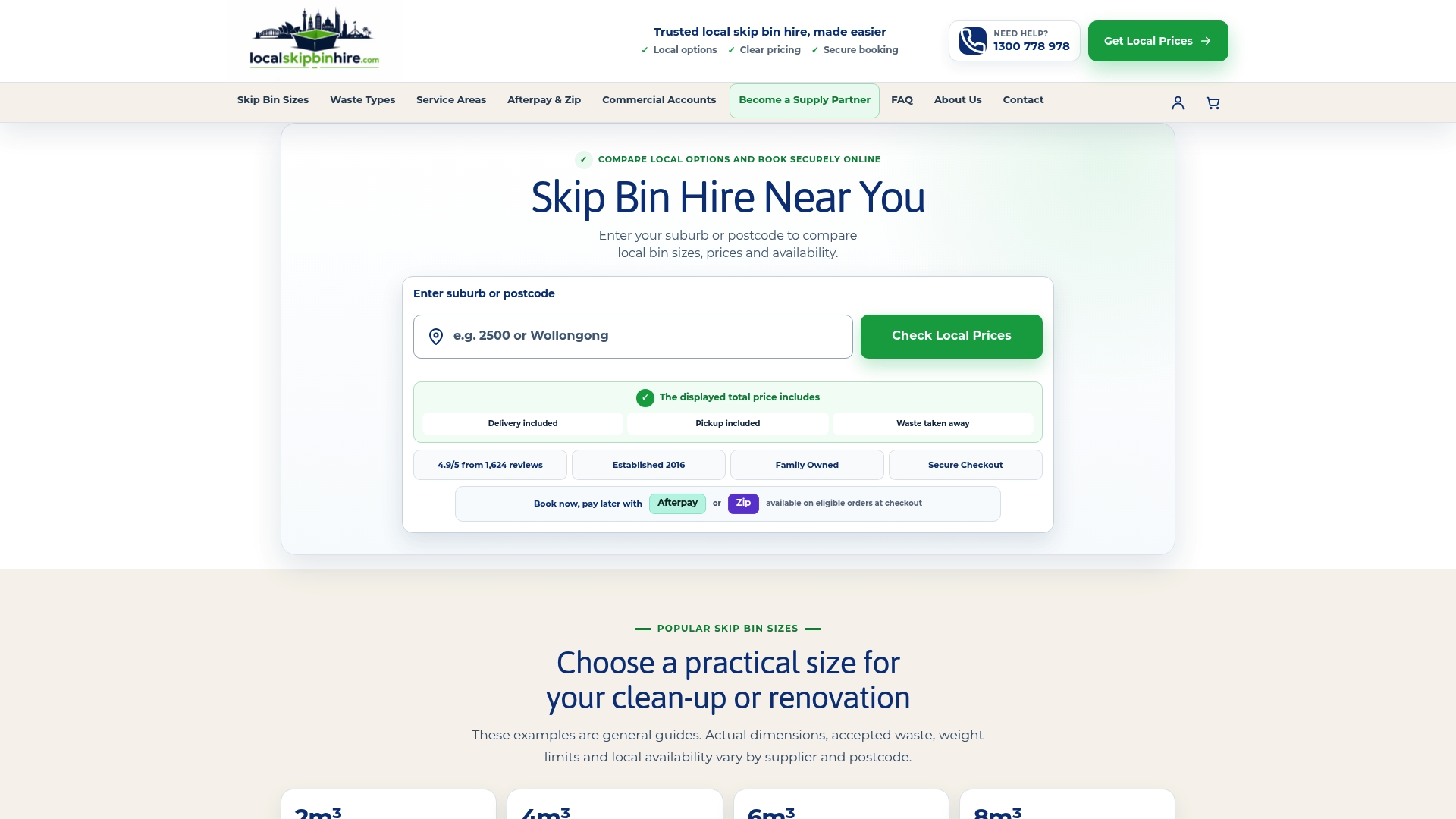
An online service can match you with local, postcode-based skip bin suppliers and show all-inclusive pricing upfront, so delivery, pickup, and removal costs are already factored in before you book. That’s a genuine time saver compared to ringing around several local operators yourself. If your job includes paint tins alongside other renovation debris, a 2m³ skip bin is often the right starting size for a single room or garage clear-out, and larger renovation jobs can compare bin sizes and local pricing before committing. Check your postcode and get a quote before your next tip run.
Where to Check the Current Rules
For the most current acceptance rules and locations, go straight to the source. The Paintback locator shows accepted items and nearby drop-off points, while EPA NSW’s community recycling directory lists CleanOut events and centers for readers outside a permanent Paintback site’s reach.
Sources
Recommended
← Older Post Newer Post →