

Skip Hire Tested: B-cycle Steps to Stop Batteries in Australian Skips
Brett Taylor batteries in skip bin en
No, you must not put batteries in a skip bin or your household kerbside waste in Australia. Loose or embedded batteries can spark truck and facility fires, and they’re banned from general waste streams nationwide. Take them to a B-cycle drop-off, your local council Community Recycling Centre, or an accredited collector instead. Isolate the batteries first, tape the terminals, and never crush or toss them into a skip.
TL;DR:
- Batteries, especially lithium-ion and lead-acid types, pose a high fire risk during waste processing, making them strictly prohibited in skip bins and household waste in Australia.
- Proper disposal requires routing batteries to certified collection points like B-cycle drop-offs, council centers, or accredited collectors, with safety steps like taping terminals and using fire-resistant containers.
- Embedded or damaged batteries need separate handling at specialized e-waste facilities, avoiding attempts to remove non-removable batteries from devices to prevent thermal runaway.
- Preparatory measures such as taping terminals, segregating batteries, and labeling them are essential to prevent fires during storage and transport, reducing the risk of load rejection or contamination fees.
- Property managers and residents should organize proper battery disposal beforehand, avoid mixing batteries with waste, and inform crews or staff about hazards to ensure safe waste management practices.
Table of Contents
- Why batteries are banned from skip bins and household waste
- Which batteries need special handling (types to never put in skips)
- Safe disposal routes in Australia: B-cycle, retail drop-offs, councils and accredited collectors
- Embedded batteries and large or damaged batteries: what to do
- Preparing batteries for drop-off and safe temporary storage
- Skip bin hires and site responsibilities: how batteries affect your booking
- Practical checklist and pro tips for property managers and residents
- Why we tell every customer to pull batteries before the skip arrives
- Book a compliant skip without the battery headaches
- Sources
Why batteries are banned from skip bins and household waste
Batteries cause fires when their terminals short circuit, and that’s exactly what happens when a truck compactor or a skip full of mixed rubble crushes one. Lithium-ion cells are the biggest offender because they hold enough stored energy to ignite the moment their casing splits.
It’s prohibited to place batteries in a skip bin or general kerbside waste bin in Australia precisely because of this fire risk during compaction and processing. A single battery buried in a load of building waste can:
- Ignite inside a collection truck, endangering the driver and anyone nearby
- Trigger a fire at a recycling or transfer facility, sometimes shutting it down for repairs
- Injure workers who sort waste by hand at material recovery centers
- Cost skip operators thousands in downtime, equipment damage, and contamination fees
Queensland Government guidance puts it plainly: incorrect battery disposal causes injury, fires, and environmental harm, which is why the state keeps funding new drop-off points. A single loose battery has shut down entire recycling facilities, costing millions to repair. That’s the scale of damage one AA cell can cause when it ends up somewhere it shouldn’t.
Which batteries need special handling (types to never put in skips)
Not every battery carries the same risk, but none of them belong in a skip. The chemistry determines how dangerous a short circuit or puncture becomes:
- Lithium-ion packs – phones, power tools, e-bikes, and e-scooters carry the highest fire risk of any household battery type
- Lead-acid batteries – car batteries and some UPS units contain corrosive acid and heavy metals
- 9V and button cells – small but prone to shorting against loose metal or other batteries
- NiMH and NiCd rechargeable packs – found in older cordless tools and toys
- Sealed lead batteries – common in alarm systems and backup power supplies
Lithium and lead-acid batteries pose the sharpest hazard because they store more energy and react more violently when punctured or crushed. Even single-use alkaline batteries, which seem harmless, still belong in a battery drop-off program rather than a skip or the bin.
Safe disposal routes in Australia: B-cycle, retail drop-offs, councils and accredited collectors
Where you take your batteries depends on the type, the volume, and whether they’re loose or built into a device. Here’s how to work through it:
- Start with B-cycle for loose household batteries. Australia’s national battery stewardship scheme runs free drop-off points through retailers including Coles, Woolworths, Aldi, and Bunnings. It’s the easiest option for the AA, AAA, and small rechargeable batteries most households accumulate. B-cycle itself doesn’t collect batteries directly. Drop-off points partner with accredited collectors who transport them to certified recycling facilities.
- Use Recycle Mate to confirm the right location. This tool helps you locate the nearest collection point and check acceptance rules for your specific battery type before you drive anywhere.
- Call your council for embedded batteries or bulk volumes. Many local councils operate Community Recycling Centres that accept batteries councils can’t process through standard kerbside programs, and some run dedicated hazardous-waste collection days. Free retail drop-offs are typically capped at smaller quantities, so call ahead if you’re carrying more than 1kg.
- Book an accredited collector for commercial or bulk loads. Trade sites, offices clearing out old equipment, and property managers with recurring battery waste should arrange scheduled pickup. Expect a pre-booking process and a service fee, but it’s often cheaper than repeated trips to a retail drop-off.
Embedded batteries and large or damaged batteries: what to do
Batteries built into a laptop, power tool, or smoke detector need a different approach than loose household cells. Never force a device open to remove an embedded battery. Puncturing the cell can release heat and toxic gas, and in the worst cases trigger a thermal runaway event.
- Take devices with non-removable batteries to a council Community Recycling Centre or a specialist e-waste handler
- Check whether your state is running an embedded battery trial. NSW has expanded CRC programs for exactly this problem
- If a battery is swollen, warm to the touch, or has an odd smell, isolate it immediately
Pro Tip: If a battery looks swollen or smells odd, place it in a bucket of sand or a non-metal container, and call your council before you drive anywhere. Transporting a damaged battery in a standard car without proper packaging is a real fire risk.
Preparing batteries for drop-off and safe temporary storage
A few minutes of preparation prevents most of the incidents that make battery disposal newsworthy. Follow this before you leave the house:
- Tape every exposed terminal. Use non-conductive tape on 9V batteries and lithium packs, and keep different chemistries separated so terminals can’t touch each other.
- Store batteries in a non-metal, fire-resistant container. A plastic tub away from heat sources and power tools works well for a household collection.
- Label and call ahead for larger loads. If you’re bringing more than 1kg, or anything damaged, phone the drop-off site first so staff know what’s coming.
Pro Tip: Applying tape to terminals and keeping each battery in its own compartment measurably cuts the odds of a short-circuit fire during storage or transport, according to state guidance on battery preparation.
Skip bin hires and site responsibilities: how batteries affect your booking
Skip operators routinely reject loads that contain batteries, and some charge contamination fees on top of the inconvenience. Waste industry guidance is consistent on this: batteries cause fires in collection bins, and facilities won’t process a load once one turns up.
Before your skip arrives:
- Sort batteries out of general waste piles and set them aside for proper drop-off
- Brief any trades or labor crews onsite to keep a labeled battery box separate from the skip
- If your site generates batteries regularly, such as a renovation business or a property with recurring tenant turnover, arrange a scheduled specialist collection rather than sorting on the fly each time
Property managers juggling multiple sites should check what’s allowed under local rules before the truck shows up. Our guide to what can and can’t go in a skip bin covers the full list of prohibited items beyond batteries.
Practical checklist and pro tips for property managers and residents
Run through this before every skip booking or household clean-out:
- Segregate batteries as you go, don’t wait until the skip is full to start sorting
- Tape terminals on anything with exposed contacts
- Contain batteries in a labeled, non-metal box
- Find your nearest B-cycle or Recycle Mate location ahead of time
- Call ahead if you’re carrying damaged batteries or more than 1kg
Pro Tip: Keep a permanent battery box near your bins at home or on a job site. Training staff or family members to use it daily beats a frantic sort right before the skip arrives.
Access isn’t the barrier it once was, either. Most Australians live within a short drive of a B-cycle accredited drop-off point, which means the excuse of “it’s too far to bother” rarely holds up anymore.
Why we tell every customer to pull batteries before the skip arrives
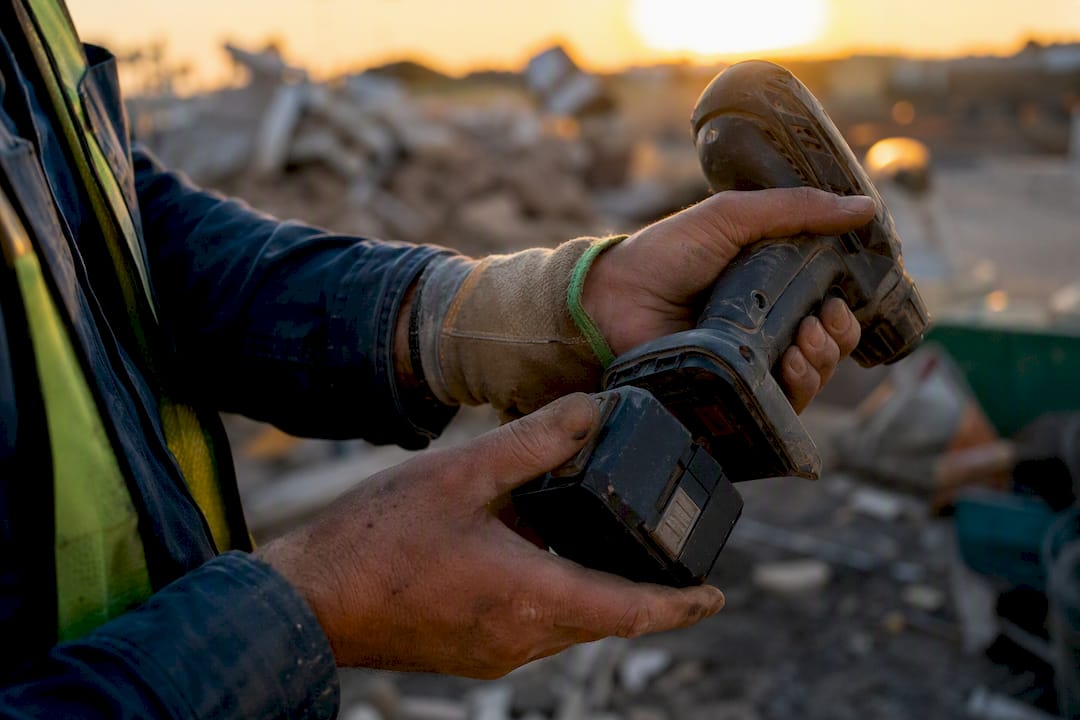
After more than 15 years matching Australians with local skip suppliers, we’ve seen what happens when batteries slip into a load. Rejected bins, contamination fees, and delays that nobody wanted. Our booking process asks about hazardous items upfront specifically to catch this before it becomes a problem on-site.
It’s not extra paperwork for the sake of it. A five-minute sort saves a rejected pickup and a second truck visit. That’s the kind of avoidable cost this guide exists to prevent, and it’s advice we’d give you whether or not you ever book through us.
— Brett
Book a compliant skip without the battery headaches
Localskipbinhire is the practical alternative to guessing which waste rules apply to your postcode. We match you with local, independent suppliers who know exactly what their trucks and disposal facilities will and won’t accept, with pricing that includes delivery, pickup, and removal upfront.

Before you book, pull any loose or embedded batteries out of your waste pile and route them to a B-cycle point or your council CRC. If you’re dealing with a laptop or other device with a non-removable battery, a specialist e-waste recycler can handle it safely. Once your load is sorted, browse skip bin hire in Box Hill or check a 2m³ skip for general waste to get an all-inclusive price matched to your postcode in minutes.
Sources
Before you drive anywhere, confirm the rules at your chosen drop-off point since acceptance policies and hours vary by location and retailer.
- Household embedded batteries — Townsville City Council
- Which Bin — Drop off batteries
- Embedded batteries | EPA NSW
- Don’t bin your batteries — Queensland Government
Recommended
← Older Post Newer Post →